A mob led gathering has provided an opportunity for a two-way learning with local Aboriginal community members to highlight the risks posed by bird flu.
The first Message Stick meeting on H5 bird flu was held in February in Armidale, New South Wales, to share knowledge aimed at strengthening bird flu preparedness and resilience. The event was led by Armidale Local Aboriginal Land Council and co-designed and co-hosted in partnership with Wildlife Health Australia (WHA).
The event brought together Indigenous Ranger groups, Local Aboriginal Land Councils, Aboriginal Elders and stakeholders caring for Country, along with Commonwealth Government and NSW State Government representatives from the biosecurity, environment and public health sectors.
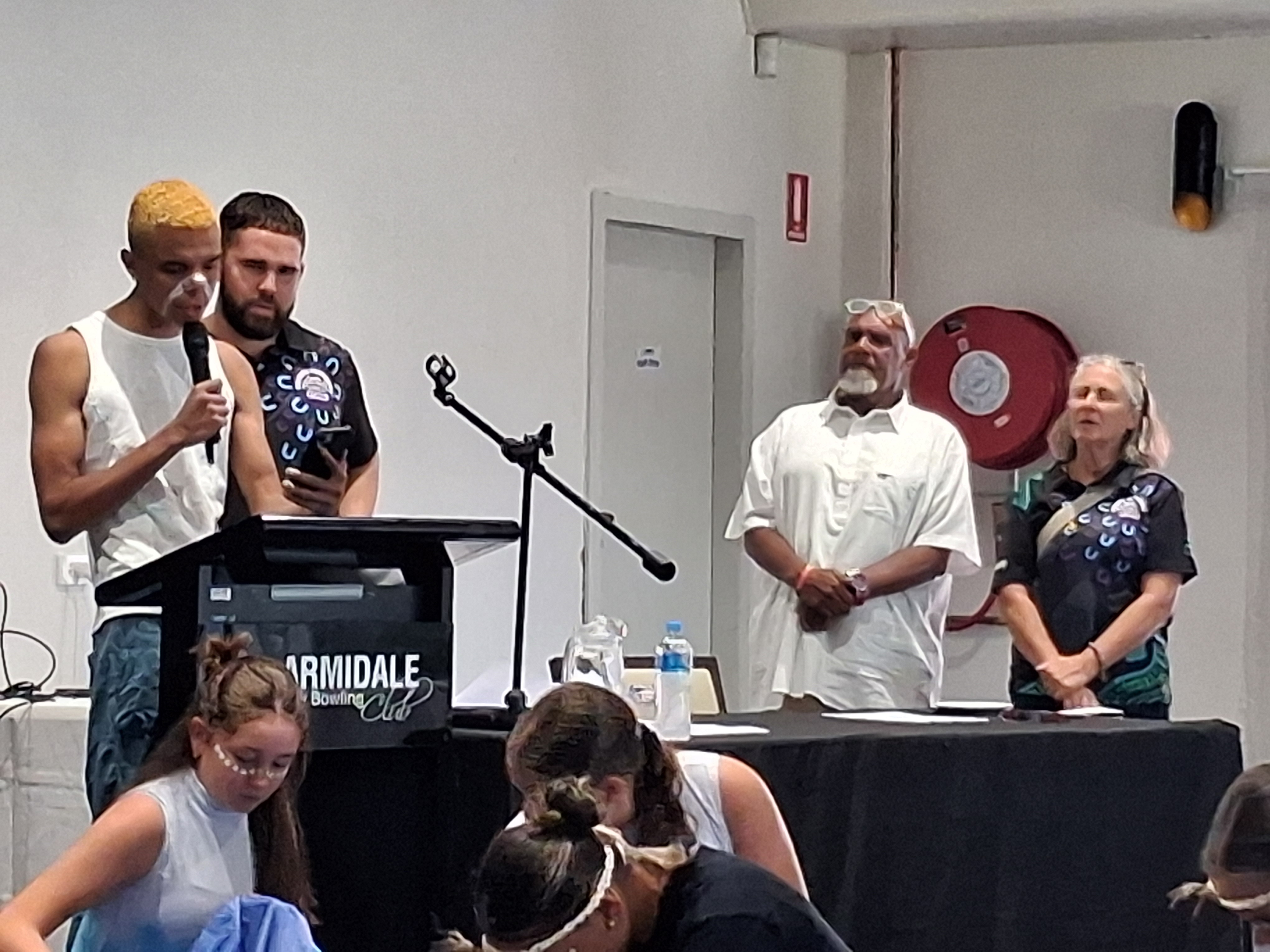
“The Message Stick meeting shared scientific information about H5 bird flu and provided a unique opportunity for Aboriginal community members to share their concerns about the community and cultural impacts of H5 bird flu,” said Armidale Local Aboriginal Land Council CEO, Lyndon Strong.
“A key theme that emerged from the discussions was the importance of the potential cultural impacts from an outbreak of H5 bird flu, in relation to activities such as collecting bird feathers, hunting for food and going to sacred places for cultural ceremonies.”
The day began with a Welcome to Country, smoking ceremony and dance performance by Aboriginal dancers from Armidale Secondary College. Participants then heard several presentations about H5 bird flu from the various stakeholders present, followed by an afternoon yarning circle session which provided an opportunity to ask questions and share knowledge.
The need for targeted communication strategies around H5 bird flu were identified, so that important biosecurity and preparedness information could be shared with all the different levels of an Aboriginal communities.
Lisa Tunks from WHA’s First Nations Project – Capacity Building team led the event development and co-hosting for WHA, supported by Paul Eden, Senior Project Officer – Surveillance, and Joanne Walker, Program Manager – Capacity Building.
A key strategic priority for WHA is to elevate Indigenous voices in wildlife health, along with raising awareness of H5 bird flu. This Message Stick meeting was an integral part of two-way knowledge sharing.
Lisa is building relationships within the local Aboriginal community around the NSW Northern Tablelands Region, to listen and learn from Aboriginal Community groups, Community members, Local Aboriginal Land Councils, Aboriginal organisations, Rangers groups and Elders.
“Recommendations from the Message Stick meeting included development of further training opportunities and other resources, particularly for Indigenous Rangers, but also capacity building in Aboriginal communities,” said Lisa.
“The event created multiple ripples in all directions, and afterwards I received many telephone calls from Aboriginal community members providing feedback and also various government agencies keen to run similar events in other areas. There is a real realisation of the value that this cultural knowledge adds to the biosecurity system.”
The Message Stick meeting was supported by the Australian Government’s HPAI funding, and WHA thanks all those involved in the event, in particular Armidale Local Aboriginal Land Council Chief Executive Officer Lyndon Strong, along with staff from NSW DPIRD and NSW DCCEEW. WHA also acknowledges the Rangers, Local Aboriginal Land Councils and community members for their strong ongoing commitment to caring for country.
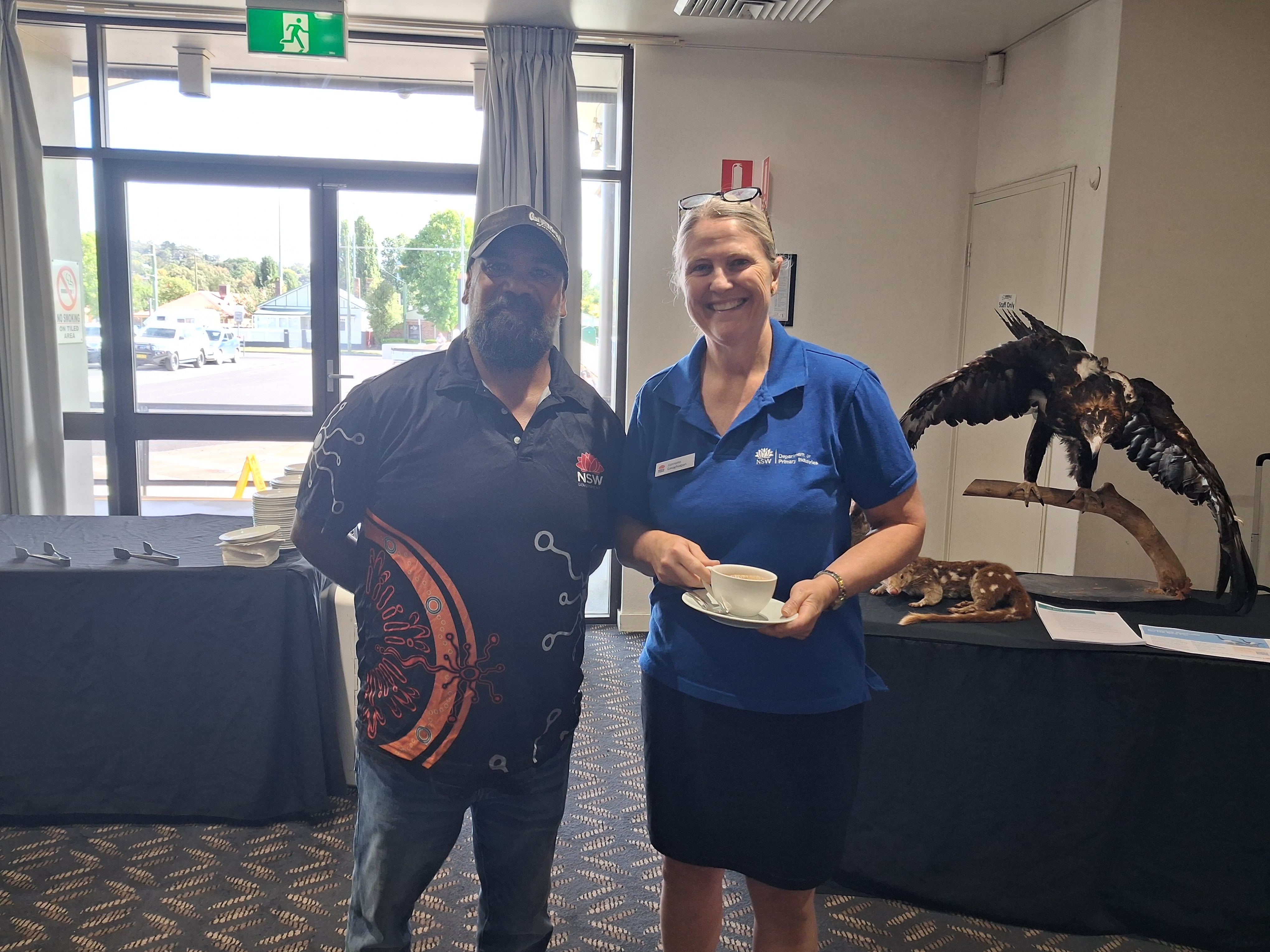
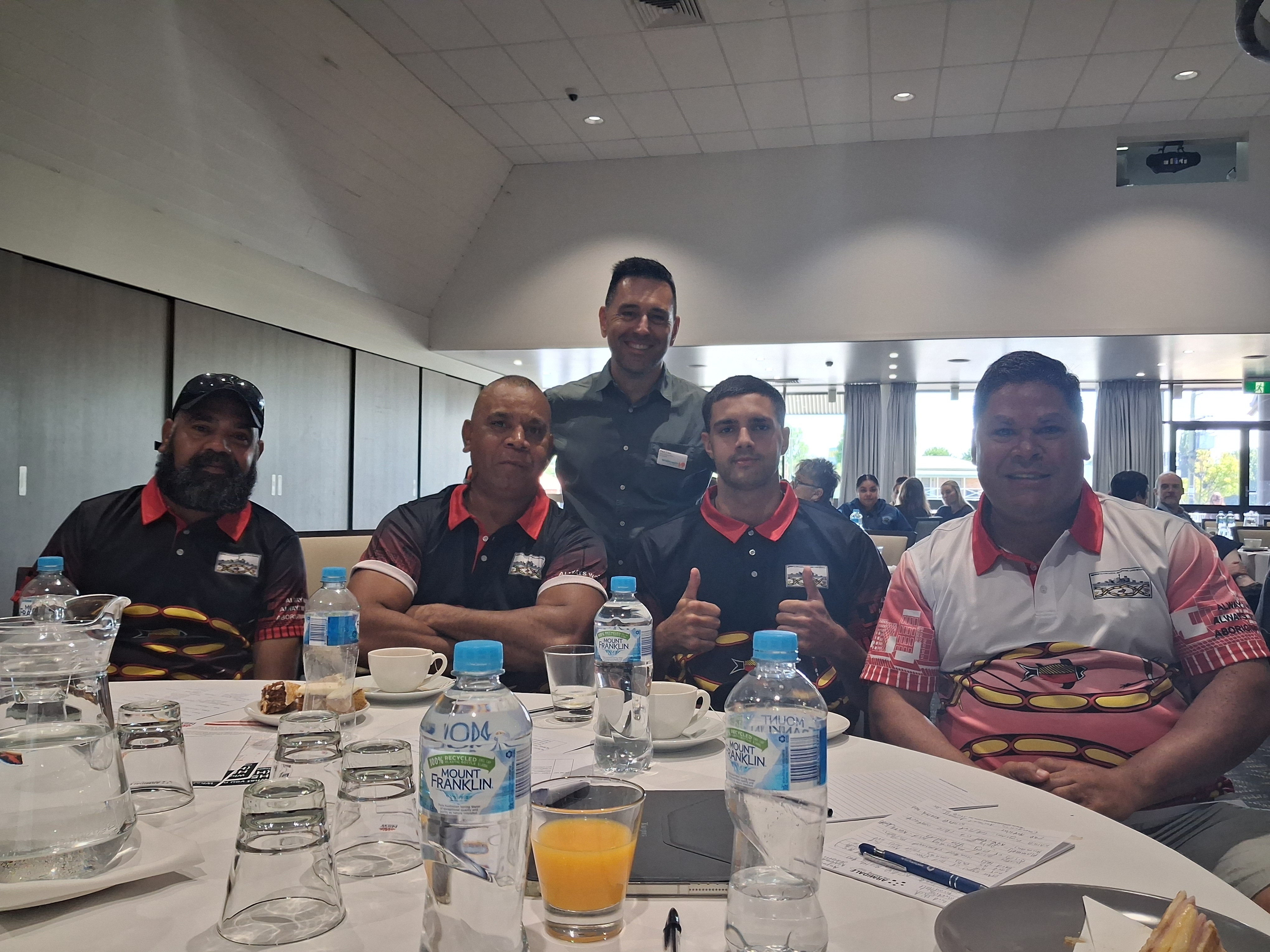
Image: Participants in the Message Stick meeting in Armidale.
Image credit - Jen Stanford, Armidale Local Aboriginal Land Council.